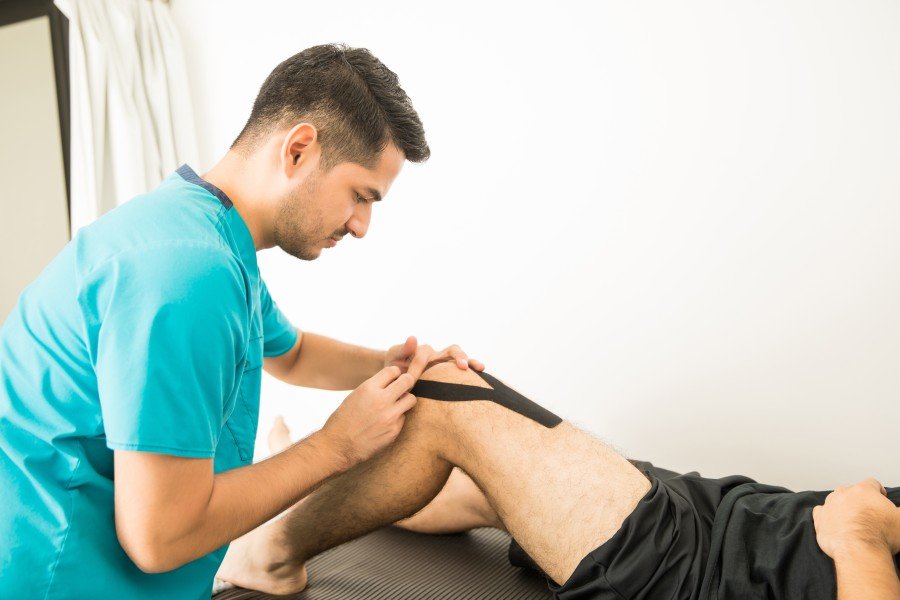
Sports injuries can happen during professional training, recreational activities, gym workouts, or even a sudden change in movement. A minor sprain may improve with rest, but persistent pain, swelling, instability, or reduced movement may need professional evaluation. Consulting a Sports Injury Speacialist in Sector 108 Noida can help identify the underlying problem and guide you toward an appropriate recovery plan. The goal of sports injury care is not simply to reduce pain. Proper treatment also considers the injured tissue, your activity level, movement patterns, and the demands you want to return to.
For fast information, direct chat with us on WhatsApp.
A Sports Injury Speacialist in Sector 108 Noida helps evaluate sports-related muscle, ligament, tendon, bone, and joint injuries. Treatment may involve activity modification, medication, physiotherapy, rehabilitation, bracing, or surgery when appropriate. Specialist assessment can help establish the cause of symptoms and guide a gradual, condition-specific return to normal activity.
What Does a Sports Injury Specialist Do?
A sports injury specialist evaluates musculoskeletal problems affecting areas such as the knee, shoulder, ankle, hip, elbow, and other joints. Depending on the symptoms, the evaluation may include a medical history, physical examination, movement assessment, and imaging when clinically appropriate.
Common injuries managed in sports medicine and orthopaedic practice include:
- Muscle strains and ligament sprains
- Knee and shoulder injuries
- Meniscus and cartilage problems
- Tendon injuries
- Ankle injuries
- Sports-related fractures
- Overuse injuries
- Joint instability
- Certain ligament injuries, including ACL injuries
Early assessment can be particularly useful when symptoms do not improve with appropriate initial care.
How a Sports Injury Specialist in Sector 108 Noida Supports Recovery
Every injury is different, so treatment should be based on the nature and severity of the problem rather than simply the sport involved.
1. Identifying the Cause of Pain
Pain does not always indicate exactly which structure is injured. For example, knee pain may be associated with a ligament, tendon, cartilage, muscle, or another condition.
A specialist assesses the symptoms and physical findings to determine what may be contributing to the problem. If needed, diagnostic imaging such as an X-ray, ultrasound, or MRI may be considered based on the clinical situation.
2. Creating an Appropriate Treatment Plan
Treatment depends on factors such as the injury, duration of symptoms, severity, age, activity level, and overall health.
Depending on the diagnosis, management may include:
- Activity modification and relative rest
- Pain management
- Bracing or support when appropriate
- Rehabilitation exercises
- Physiotherapy
- Gradual return to activity
- Procedures or surgery for selected injuries
Not every sports injury requires surgery. In many cases, structured rehabilitation and appropriate non-surgical treatment can form an important part of recovery.
3. Helping Restore Strength and Movement
Returning to sport too quickly can place additional stress on healing tissues. Rehabilitation focuses on gradually restoring flexibility, strength, balance, coordination, and functional movement.
For athletes, this may eventually include sport-specific exercises. The progression should be appropriate for the injury and the individual’s recovery.
4. Supporting a Safe Return to Activity
Feeling less pain does not necessarily mean an injury has completely recovered. A person may still have weakness, restricted movement, poor balance, or reduced joint stability.
A gradual return-to-activity plan can help address these factors. The exact timeline varies considerably between injuries and individuals, so there is no single recovery period that applies to everyone.
When Should You See a Sports Injury Specialist?
Some injuries can initially be managed with basic first aid and activity modification. However, professional evaluation becomes more important when symptoms are severe, persistent, or interfering with normal activities.
Consider seeking medical assessment if you experience:
- Significant or worsening pain
- Persistent swelling
- Difficulty putting weight on a limb
- Joint instability or repeated giving way
- Restricted movement
- A noticeable deformity after an injury
- Recurrent pain during exercise
- Symptoms that are not improving as expected
Seek urgent medical care after a serious injury, particularly when there is a suspected fracture, major deformity, severe swelling, loss of sensation, or inability to use the affected limb normally.
Common Sports Injuries That Need Specialist Attention
Knee Injuries
Knee problems are common among runners, football players, gym users, and people involved in jumping or pivoting activities. ACL injuries, meniscus problems, patellar conditions, and ligament sprains can affect stability and movement.
A specialist can assess the knee and determine whether rehabilitation, activity modification, or further treatment is appropriate.
Shoulder Injuries
Throwing, weight training, contact sports, and repetitive overhead movements can place stress on the shoulder. Rotator cuff problems, instability, and other soft-tissue injuries may cause pain or weakness.
Accurate assessment helps distinguish between different causes of shoulder symptoms.
Ankle and Muscle Injuries
Ankle sprains, muscle strains, and tendon problems can occur because of sudden movements, falls, or repetitive activity. Returning to sport without adequate rehabilitation may increase the risk of ongoing symptoms or reinjury.
How to Choose Sports Injury Care in Sector 108 Noida
When looking for a Sports Injury Speacialist in Sector 108 Noida, consider more than proximity alone. Check whether the doctor evaluates your specific type of injury and explains the diagnosis and treatment options clearly.
Useful factors include:
- Relevant orthopaedic or sports-injury expertise
- Experience with similar musculoskeletal conditions
- Access to appropriate diagnostic evaluation
- A clear rehabilitation approach
- Communication about expected recovery and activity restrictions
- Proper referral or multidisciplinary care when required
Patients should also feel comfortable asking questions about their diagnosis, treatment alternatives, rehabilitation, and when they can safely resume specific activities.
Preventing Future Sports Injuries
Treatment is only one part of long-term sports health. Once symptoms have settled, injury prevention can involve proper warm-up, gradual increases in training load, appropriate technique, adequate recovery, strength training, and suitable footwear or protective equipment.
It is also important not to ignore recurring pain. Repeated symptoms may indicate that an underlying movement, training, or structural issue needs assessment.
5 FAQs
Frequently Asked Questions
When should I see a sports injury specialist for knee pain?
You should consider an evaluation if knee pain is severe, keeps returning, causes swelling or instability, limits movement, or does not improve with appropriate initial care. A specialist can examine the knee and determine whether the symptoms may involve a ligament, meniscus, tendon, cartilage, or another structure.
Can sports injuries be treated without surgery?
Yes, many sports injuries can be managed without surgery, depending on the diagnosis and severity. Treatment may include activity modification, pain management, physiotherapy, strengthening exercises, bracing, and gradual rehabilitation. Surgery may be considered for selected injuries when conservative treatment is unsuitable or does not provide adequate functional recovery.
How long does it take to recover from a sports injury?
Recovery time varies according to the type and severity of the injury, the affected tissue, treatment approach, and individual factors. A mild strain may settle relatively quickly, while ligament injuries or fractures can require substantially longer rehabilitation. Your specialist can provide a more individualized recovery plan after assessment.
What happens during a sports injury consultation in Sector 108 Noida?
A consultation generally starts with a discussion of your symptoms, injury mechanism, activity level, and medical history. The doctor may then perform a physical and movement examination. Depending on the findings, imaging or other tests may be recommended. Treatment and rehabilitation options can then be discussed based on the diagnosis.
How can I prevent a sports injury from happening again?
Gradually increasing training intensity, warming up properly, maintaining strength and flexibility, using appropriate equipment, and allowing sufficient recovery can reduce injury risk. Completing recommended rehabilitation before returning to demanding activity is also important. If the same injury keeps recurring, professional assessment can help identify factors contributing to the problem.
Conclusion
Recovering from a sports injury involves more than waiting for pain to disappear. The right approach starts with understanding the injury, protecting the affected area, restoring movement and strength, and gradually returning to normal activity. Persistent pain, swelling, instability, or repeated injuries deserve professional evaluation rather than being ignored. A Sports Injury Speacialist in Sector 108 Noida can assess the problem and help determine whether rehabilitation, conservative treatment, or another intervention is appropriate. If an injury is affecting your ability to exercise, work, or participate in sports, consider arranging an orthopaedic evaluation at Clinic Ortho to discuss your symptoms and the next appropriate step.