
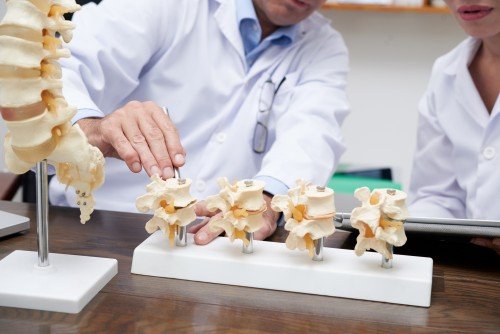
Osteoporosis is a bone condition that gradually weakens bones, making them more likely to fracture during everyday activities or minor falls. Because it often develops without noticeable symptoms, many people discover it only after a fracture occurs. Understanding the risk factors, diagnostic tests, and available treatment options can help protect long-term bone health. If you are researching osteoporosis treatment in Sector 108 Noida, learning how doctors diagnose and manage this condition is a useful first step toward making informed decisions about your health.
For fast information, direct chat with us on WhatsApp.
Osteoporosis is diagnosed mainly through a bone density test called DEXA, alongside a medical history and assessment of fracture risk. Treatment may include prescription medicines, adequate calcium and vitamin D, appropriate exercise, and fall prevention. The right osteoporosis treatment in Sector 108 Noida depends on bone density, previous fractures, underlying health conditions, and individual risk factors.
What Is Osteoporosis?
Osteoporosis is a condition in which bones lose density and strength, increasing the risk of fractures. Healthy bones constantly break down and rebuild tissue. When bone loss occurs faster than new bone formation, bones can become porous and fragile.
The condition commonly affects the hip, spine, and wrist. However, osteoporosis can develop in different bones throughout the body. It affects older adults more frequently, particularly women after menopause, but younger people can also develop it because of certain medical conditions or medications.
Common Signs and Risk Factors of Osteoporosis
Osteoporosis is often called a silent condition because it may not cause pain or obvious symptoms until a bone breaks. Nevertheless, certain changes may indicate that a medical assessment is necessary.
Potential warning signs include:
- A fracture following a minor fall or relatively mild impact.
- Gradual loss of height over time.
- A stooped posture or increasing curvature of the upper back.
- Persistent back pain, which may sometimes result from a spinal compression fracture.
Several factors can increase the risk of osteoporosis, including ageing, menopause, a family history of hip fractures, low body weight, smoking, excessive alcohol consumption, and insufficient calcium or vitamin D.
Certain conditions, such as rheumatoid arthritis and some hormonal disorders, can also affect bone health. Long-term use of corticosteroid medicines may increase bone loss, so patients taking these medicines should discuss their bone health with their doctor.
How Is Osteoporosis Diagnosed?
Early diagnosis helps doctors assess fracture risk and decide whether treatment is necessary. Your doctor may review your medical history, family history, previous fractures, medications, diet, and lifestyle before recommending tests.
Bone Density Test (DEXA Scan)
A dual-energy X-ray absorptiometry scan, commonly called a DEXA or DXA scan, is the standard test used to measure bone mineral density. It usually examines the hip and lower spine.
The test is quick, painless, and uses a low dose of radiation. Results help doctors determine whether bone density is normal, lower than expected, or within the osteoporosis range.
For postmenopausal women and men aged 50 or older, a T-score of -2.5 or lower at an appropriate measurement site generally meets the bone-density criterion for osteoporosis. However, doctors also consider fracture history and other clinical factors when assessing the overall risk.
Additional Medical Assessments
Depending on your symptoms and risk factors, your doctor may recommend blood tests to investigate possible causes of bone loss. These can include tests for calcium levels, vitamin D deficiency, kidney function, and thyroid or other hormonal problems.
A fracture-risk assessment may also help estimate the likelihood of future fractures. Not everyone needs every test, so investigations should be selected according to individual medical needs.
Osteoporosis Treatment in Sector 108 Noida: Available Options
Treatment aims to strengthen bones, reduce fracture risk, and help people maintain independence. The right approach depends on bone density, age, previous fractures, underlying conditions, and overall fracture risk.
1. Prescription Medicines
Doctors may prescribe medication when a patient’s fracture risk is sufficiently high. Common treatment options include bisphosphonates, such as alendronate or zoledronic acid. Other medicines, including denosumab, may be appropriate for selected patients.
For people at very high fracture risk, specialists may consider bone-forming medicines in suitable circumstances. Each medicine has specific benefits, risks, precautions, and follow-up requirements.
Never start, stop, or change osteoporosis medication without medical guidance. Some treatments require a planned follow-up strategy, and stopping certain medicines without appropriate management can increase fracture risk.
2. Calcium and Vitamin D
Calcium supports bone structure, while vitamin D helps the body absorb calcium. A balanced diet containing dairy products or suitable alternatives, leafy greens, pulses, and other calcium-rich foods can support bone health.
Vitamin D supplementation may be recommended when intake or levels are inadequate. However, taking excessive amounts of calcium or vitamin D is not necessarily beneficial and may cause harm. Ask your doctor whether supplements are appropriate for you.
3. Exercise and Fall Prevention
Weight-bearing activities, resistance exercises, and balance training can help support bone strength, muscle function, and stability. Suitable activities may include walking, supervised strength exercises, and specific balance routines.
People with osteoporosis should choose exercises according to their fracture risk and physical ability. Avoid sudden, forceful spinal bending or twisting if your doctor or physiotherapist advises against it.
At home, reduce fall hazards by improving lighting, securing loose rugs, installing bathroom grab bars where needed, and wearing stable footwear. These small changes can reduce the likelihood of injuries.
How to Choose the Right Osteoporosis Specialist
When considering osteoporosis care in Sector 108 Noida, look for a qualified medical professional who can assess your fracture risk and explain the treatment plan clearly.
Consider whether the clinic can coordinate bone density testing, review relevant blood investigations, manage existing medical conditions, and provide follow-up care. Ask about medication benefits and side effects, exercise recommendations, and the frequency of future assessments.
An orthopedic specialist or another appropriately qualified doctor experienced in osteoporosis management can help determine whether you need medication, lifestyle changes, further investigation, or a combination of approaches.
For residents of Sector 108 and nearby areas of Noida, choosing accessible follow-up care may also make it easier to attend appointments and monitor treatment progress.
When Should You Seek Medical Advice?
Arrange a medical assessment if you have experienced a fracture after a minor fall, noticed unexplained height loss, have several osteoporosis risk factors, or take long-term corticosteroid medication.
Seek urgent medical attention after a significant fall or if you develop sudden, severe back or hip pain, especially when you cannot stand or put weight on the affected leg.
Early assessment can identify underlying problems and help determine the safest next steps. Do not wait for symptoms if your doctor has already identified you as being at increased risk of osteoporosis.
Frequently Asked Questions
1. Can osteoporosis be treated successfully?
Osteoporosis can be managed effectively, although treatment cannot always restore bones to their previous strength. Depending on the individual’s condition, medication, adequate nutrition, exercise, and fall prevention can help maintain bone health and reduce fracture risk. Regular medical follow-up helps determine whether the treatment plan remains appropriate.
2. Which test is best for diagnosing osteoporosis?
A DEXA scan is the standard test for measuring bone mineral density and diagnosing osteoporosis based on bone-density criteria. Doctors may also review fracture history, assess clinical risk factors, and recommend blood tests to investigate other causes of bone loss. Not everyone requires the same combination of tests.
3. Can osteoporosis be treated without medication?
Some people with low bone density and a relatively low fracture risk may be managed initially with lifestyle measures and monitoring. However, people with osteoporosis or a high risk of fractures may need prescription medication. The decision depends on bone density, fracture history, age, and other medical factors assessed by a qualified doctor.
4. When should I consult a doctor about weak bones?
Consult a doctor if you experience a fracture after a minor fall, unexplained height loss, persistent back pain, or have significant risk factors such as early menopause or long-term corticosteroid use. Sudden severe back or hip pain, especially after a fall, requires prompt medical assessment.
5. Where can I seek osteoporosis treatment in Sector 108 Noida?
You can look for a qualified orthopedic specialist or a doctor experienced in osteoporosis management who can assess bone health, arrange appropriate investigations, and recommend treatment. Before scheduling an appointment, confirm the clinic’s location, available diagnostic services, and follow-up arrangements directly with the provider.
Conclusion
Osteoporosis can weaken bones gradually, but timely diagnosis and appropriate care can help reduce the risk of fractures and support long-term mobility. Understanding bone density results, identifying underlying risk factors, following a suitable treatment plan, and making practical lifestyle changes are all important steps. If you are considering osteoporosis treatment in Sector 108 Noida, consult Gurukripa Orthopaedic Super-Speciality Centre to determine which investigations and treatment options are appropriate for your needs. Ask about medication, nutrition, exercise, and fall prevention, along with the follow-up you may require. Taking action early can help you make informed decisions and protect your bone health as you age.