
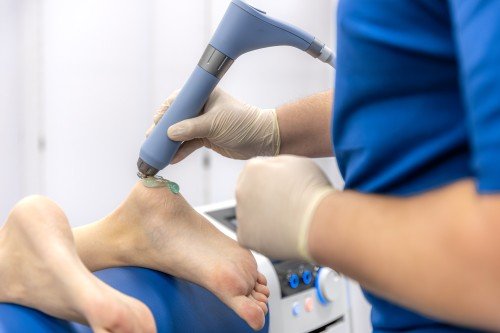
Persistent ankle pain can make everyday activities such as walking, climbing stairs, exercising, and standing for long periods uncomfortable. While many ankle problems improve with rest, physiotherapy, medication, or other nonsurgical treatments, some conditions may require a closer examination of the joint. Ankle Arthroscopy in Sector 108 Noida is a treatment option worth discussing with an orthopedic specialist when symptoms continue despite appropriate conservative care.
For fast information, direct chat with us on WhatsApp.
Understanding who may need this procedure, how it works, and what recovery involves can help you make a more informed decision about your ankle health.
What Is Ankle Arthroscopy?
Ankle arthroscopy is a minimally invasive surgical procedure that allows an orthopedic surgeon to examine and treat problems inside the ankle joint. The surgeon uses a small camera called an arthroscope, along with specialized instruments, through small incisions in the skin.
The camera displays images of the joint on a monitor, helping the surgeon identify and address certain problems. Depending on the diagnosis, the procedure may involve removing loose fragments, treating inflamed tissue, addressing bone spurs, or managing selected cartilage injuries.
Unlike traditional open surgery, arthroscopy generally requires smaller incisions. However, its suitability depends on the specific condition, and not every ankle problem can be treated effectively using this technique.
Who Needs Ankle Arthroscopy Surgery?
Ankle arthroscopy may be considered when a patient has persistent symptoms, a confirmed joint problem, and insufficient improvement with appropriate nonsurgical treatment.
1. People With Persistent Ankle Pain
Ongoing pain may result from cartilage damage, joint inflammation, bone spurs, or previous injuries. If examination and imaging suggest a problem inside the joint, an orthopedic specialist may recommend arthroscopy when conservative treatment has not provided adequate relief.
2. Athletes With Sports-Related Injuries
Running, jumping, sudden changes in direction, and repeated ankle sprains can damage joint structures. Some athletes develop ankle impingement, a condition in which bone or soft tissue becomes pinched during movement. Arthroscopy may help treat selected cases and support a planned return to activity.
3. Patients With Restricted Ankle Movement
Stiffness, catching, or a feeling that something is blocking the joint can indicate loose cartilage or bone fragments, scar tissue, or bone spurs. Arthroscopy may help address these problems when the diagnosis supports surgical treatment.
4. People With Recurrent Swelling or Joint Inflammation
Persistent swelling may occur after an injury or because of an underlying joint condition. When appropriate investigations identify inflamed tissue or another treatable abnormality inside the ankle, arthroscopy may be one option.
When Should You Consider Ankle Arthroscopy in Sector 108 Noida?
Consider an orthopedic consultation if you experience:
- Ankle pain that continues despite appropriate rest and treatment.
- Repeated swelling following an ankle injury.
- Difficulty bending the ankle or bearing weight comfortably.
- Catching, locking, or painful clicking associated with restricted movement.
- Recurrent symptoms that interfere with work, sports, or daily activities.
These symptoms do not automatically mean surgery is necessary. An orthopedic specialist will assess the underlying cause before recommending treatment.
Seek urgent medical attention if you cannot bear weight after a significant injury, notice an obvious deformity, or develop a hot, red, swollen joint with fever. Severe pain, numbness, or a cold or discoloured foot also requires prompt assessment.
How Is Ankle Arthroscopy Performed?
The procedure usually involves several steps.
1. Preoperative assessment: The surgeon reviews your symptoms, medical history, physical examination findings, and relevant X-rays or MRI scans. Blood tests or other investigations may be required depending on your health.
2. Anaesthesia: The procedure may be performed under general or regional anaesthesia, depending on the planned surgery and the anaesthetist’s assessment.
3. Small incisions: The surgeon makes small openings around the ankle to insert the arthroscope and specialized instruments.
4. Treatment of the problem: Depending on the findings, the surgeon may remove loose fragments, trim selected damaged tissue, remove bone spurs, or treat other suitable abnormalities.
5. Closure and recovery: The instruments are removed, the incisions are closed or dressed, and you are monitored during initial recovery.
The duration varies according to the complexity of the procedure. Some patients can go home the same day, while others may need additional observation or support.
Benefits and Possible Risks of Ankle Arthroscopy
Ankle arthroscopy can offer several potential advantages when used for the right condition:
- Smaller incisions than many open surgical approaches.
- Direct visualization of the joint.
- Treatment of selected problems during the same procedure.
- Potentially less soft-tissue disruption than open surgery.
- An opportunity to address mechanical problems that have not improved with conservative care.
However, arthroscopy is still surgery and carries risks. These can include infection, bleeding, blood clots, nerve or blood vessel injury, stiffness, persistent pain, and complications related to anaesthesia. Symptoms may not resolve completely, especially when substantial cartilage damage or arthritis is present.
Your surgeon should explain the likely benefits, alternatives, and risks based on your diagnosis.
What to Expect During Ankle Arthroscopy Recovery
Recovery depends on the condition treated, the extent of surgery, and your general health. A minor procedure may allow earlier movement and weight-bearing than surgery involving cartilage repair or another more complex intervention.
During the initial period, you may need to:
- Elevate the ankle and use cold therapy as instructed.
- Keep the wound clean and follow dressing instructions.
- Use crutches or a protective boot if recommended.
- Take prescribed medication according to medical advice.
- Attend follow-up appointments to monitor healing.
Physiotherapy may help restore ankle movement, strength, balance, and walking ability. However, the timing and exercises must match the procedure performed. Do not resume running, jumping, or sports until your treating clinician confirms that it is safe.
Contact your healthcare provider if pain or swelling worsens unexpectedly, the wound becomes increasingly red or starts draining, or you develop fever. Chest pain, sudden breathlessness, or significant calf swelling requires urgent medical assessment.
How to Prepare for Your Orthopedic Consultation
If you are exploring ankle arthroscopy surgery in Sector 108 Noida, prepare for your appointment by noting when your symptoms began, what makes them worse, and which treatments you have already tried.
Bring previous X-rays, MRI reports, medication details, and information about any earlier ankle injuries or surgeries. Ask the surgeon:
- What is causing my symptoms?
- Are physiotherapy or other nonsurgical treatments still appropriate?
- What specific problem would arthroscopy address?
- Will I need crutches, a boot, or help at home?
- When might I return to work, driving, exercise, or sports?
Clear answers can help you understand the treatment plan and set realistic recovery expectations.
Frequently Asked Questions
Is ankle arthroscopy suitable for every ankle injury?
No. Ankle arthroscopy is most useful for selected problems inside the joint, such as certain bone spurs, loose fragments, or cartilage injuries. Fractures, severe arthritis, and some ligament injuries may require different treatments. The decision depends on the examination, imaging findings, and response to previous treatment.
How long does it take to recover from ankle arthroscopy?
Recovery may take several weeks for some procedures and several months for more complex repairs or a return to demanding sports. The timeline depends on what was treated, whether weight-bearing restrictions apply, and how healing progresses. Follow your surgeon’s instructions rather than relying on a fixed recovery estimate.
Is ankle arthroscopy painful?
Anaesthesia helps control pain during surgery. Afterward, some pain, swelling, and stiffness are expected, particularly during the initial recovery period. Your healthcare team can recommend appropriate pain relief, wound care, elevation, and activity modifications. Severe or progressively worsening pain should be assessed promptly.
Can I walk immediately after ankle arthroscopy?
Not always. Some patients can bear weight soon after a limited procedure, while others need crutches, a boot, or a period of restricted weight-bearing. The correct approach depends on the tissues treated and the stability of the ankle. Follow the specific instructions provided by your surgeon.
Where can I seek an assessment for ankle arthroscopy in Sector 108 Noida?
You can contact an orthopedic care provider serving Sector 108 Noida to arrange an assessment. Ask whether the clinician evaluates ankle joint conditions and performs or refers patients for arthroscopic surgery when appropriate. Confirm the consultation details, available investigations, treatment options, and follow-up arrangements directly with the provider.
Conclusion
Persistent ankle pain, swelling, stiffness, or restricted movement can affect your mobility and quality of life. Ankle arthroscopy may help treat certain joint problems when a careful assessment confirms that surgery is appropriate and nonsurgical options have not provided sufficient relief. Understanding the procedure, possible complications, and rehabilitation requirements can help you prepare for treatment and recovery.
If you are considering Ankle Arthroscopy in Sector 108 Noida, arrange an orthopedic consultation to identify the cause of your symptoms and discuss suitable options. Visit Clinic Ortho‘s website to explore its orthopedic services and confirm appointment availability. A diagnosis-led treatment plan, realistic expectations, and adherence to rehabilitation advice are important steps toward a safer recovery.