Lower back pain can make everyday activities such as sitting, walking, driving, and sleeping uncomfortable. When pain travels from the lower back into the buttock and down one leg, it may be related to sciatica. Understanding the cause is important because the right treatment depends on the affected nerves, the severity of symptoms, and overall health. If you are exploring Sciatica Treatment in Sector 128 Noida, learning about the symptoms, available treatments, and warning signs can help you make informed decisions about your spinal health
For fast information, direct chat with us on WhatsApp.
Sciatica treatment in Sector 128 Noida may include activity modification, prescribed pain medication, physiotherapy, targeted exercises, and, in selected cases, injections or surgery. Treatment depends on the underlying cause, such as a herniated disc or narrowing around a spinal nerve. Early assessment helps identify the appropriate approach and recognize symptoms that require urgent medical attention.
What Is Sciatica, and How Is It Different from Ordinary Back Pain?
Sciatica refers to pain caused by irritation or compression of the sciatic nerve or its nerve roots in the lower spine. The discomfort typically begins in the lower back or buttock and travels down one leg. Some people experience burning, tingling, numbness, or weakness along with pain.
Ordinary lower back pain may remain around the waist and surrounding muscles. Sciatica is more likely to cause radiating leg pain, often affecting one side. However, symptoms can overlap, so a clinical assessment is necessary to determine the cause.
Common Causes of Lower Back Pain and Sciatica
Several conditions can contribute to lower back pain and sciatic nerve symptoms.
1. Herniated or Bulging Disc
Spinal discs cushion the bones of the spine. When a disc bulges or its inner material protrudes, it may irritate a nearby nerve root and trigger radiating pain.
2. Age-Related Spinal Changes
As people age, the discs and joints of the spine may change. In some cases, spinal canal narrowing, known as spinal stenosis, can put pressure on nerves and cause back or leg symptoms.
3. Muscle Strain and Prolonged Sitting
Lifting heavy objects incorrectly, sudden twisting, or overexertion can strain lower back muscles. Prolonged sitting may aggravate discomfort, particularly in people who already have a spinal or muscular problem.
4. Other Underlying Conditions
Less commonly, fractures, infections, inflammatory conditions, or tumours can cause back pain. Persistent or unusual symptoms deserve medical evaluation, particularly when accompanied by fever, unexplained weight loss, or a history of serious illness.
Warning Signs You Should Never Ignore
Seek medical advice if back pain persists, repeatedly returns, or begins to interfere with normal activities. Pain that travels down the leg, tingling, numbness, or new weakness may indicate nerve involvement.
Seek emergency medical care immediately if you experience:
- Difficulty starting urination, inability to pass urine, or new loss of bladder or bowel control.
- Numbness around the groin, genitals, or inner thighs (saddle numbness).
- Severe or rapidly worsening weakness in one or both legs.
These symptoms can indicate serious nerve compression, including cauda equina syndrome, and require urgent assessment. Do not wait for a routine appointment if they occur.
Sciatica Treatment in Sector 128 Noida: Available Options
Treatment should address the underlying cause rather than simply suppressing pain. A doctor may recommend one or more of the following options, depending on the diagnosis.
Conservative Care and Medication
Many cases improve without surgery. A clinician may recommend suitable pain-relief medication after considering medical history, existing conditions, and potential side effects. Do not self-medicate or use prescription medicines without professional guidance.
Staying gently active is usually preferable to prolonged bed rest. Short walks and temporary adjustments to painful activities may help maintain mobility while symptoms settle.
Physiotherapy and Targeted Exercises
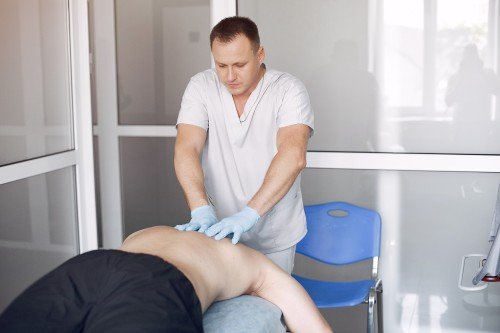
Physiotherapy can help improve movement, strength, flexibility, and confidence during recovery. Depending on the assessment, a physiotherapist may recommend:
- Gentle mobility exercises suited to your symptoms.
- Exercises to strengthen the trunk and supporting muscles.
- Gradual return to walking and everyday activities.
- Advice on lifting, sitting posture, and movement habits.
Not every exercise is appropriate for every person. Stop an activity that significantly worsens symptoms and seek guidance from a qualified professional.
Injections and Surgical Treatment
If severe symptoms persist despite appropriate conservative treatment, a specialist may consider an injection in selected cases. Surgery may be appropriate when imaging and examination identify a problem that matches the symptoms, particularly with significant or progressive weakness or persistent disabling pain.
The benefits, risks, and likely recovery period should be discussed individually. Surgery is not necessary for most people with sciatica.
How Is Sciatica Diagnosed?
Diagnosis usually begins with a medical history and physical examination. The clinician may assess leg strength, sensation, reflexes, walking, and movements that reproduce symptoms.
Imaging is not always needed at the first visit. An MRI may be considered when symptoms are severe or persistent, neurological problems are present, or imaging is likely to change treatment decisions. X-rays may help assess certain bone-related problems but do not directly show most disc herniations.
The goal is to connect examination findings with the patient’s symptoms rather than relying on a scan alone.
Practical Tips to Support Recovery
Small adjustments can make daily life more manageable while you follow your treatment plan.
- Change positions regularly: Break up long periods of sitting with short standing or walking breaks.
- Keep moving within your limits: Choose gentle activities that do not significantly worsen pain.
- Lift carefully: Keep objects close to your body and avoid sudden twisting while lifting.
- Set up your workstation: Adjust your chair and screen for comfortable, supported sitting.
- Follow professional advice: Perform prescribed exercises consistently and attend follow-up appointments when recommended.
Recovery time varies. Some episodes improve within a few weeks, while persistent nerve compression may take longer and require further assessment.
Choosing Orthopedic Care Near Sector 128, Noida
When looking for lower back pain or sciatica care, consider the clinician’s qualifications, experience with spinal conditions, diagnostic approach, and willingness to explain both nonsurgical and surgical options. A good treatment plan should reflect your symptoms, examination findings, medical history, and daily needs.
If you are considering Clinic Ortho for assessment, review its available services and consult the clinic directly to confirm the appropriate specialist, appointment availability, and treatment options. Choosing care based on a clear diagnosis is more useful than relying on claims of instant or guaranteed relief.
Frequently Asked Questions
1. What is the most effective treatment for sciatica?
The most effective treatment depends on what is irritating the sciatic nerve. Many people improve with appropriate activity, guided exercises, physiotherapy, and clinician-recommended medication. Persistent symptoms may require further investigation or specialist treatment. A clinical examination helps determine which approach is suitable for your condition.
2. When should I see a doctor for lower back pain that travels down my leg?
Consult a doctor if the pain persists, worsens, repeatedly returns, or interferes with walking and daily activities. New numbness or weakness also needs prompt assessment. If you develop bladder or bowel control problems, numbness around the groin, or rapidly worsening leg weakness, seek emergency medical care immediately.
3. Can physiotherapy help relieve sciatica without surgery?
Yes, physiotherapy can help many people manage sciatica without surgery. A tailored programme may include gentle mobility exercises, strengthening, movement training, and advice on daily activities. However, physiotherapy is not a substitute for urgent assessment when serious nerve compression is suspected. Exercises should match the person’s symptoms and diagnosis.
4. How long does sciatica take to improve?
Many episodes of sciatica improve over several weeks, although recovery varies with the underlying cause, symptom severity, and general health. Some people experience persistent pain or weakness that requires further evaluation. Seek medical advice if symptoms are not improving or are affecting your normal activities.
5. Where can I seek sciatica treatment near Sector 128, Noida?
You can look for an orthopedic clinic or qualified clinician who assesses spinal and nerve-related conditions. When considering Clinic Ortho, contact the clinic to confirm whether it provides sciatica assessment, which specialists are available, and whether physiotherapy or further investigations can be arranged if needed.
Conclusion
Lower back pain and sciatica can affect mobility, sleep, work, and everyday comfort, but the right treatment begins with understanding the underlying cause. Options may include activity modification, medication recommended by a clinician, physiotherapy, targeted exercises, and specialist interventions when necessary. If you are considering Sciatica Treatment in Sector 128 Noida, seek an assessment when pain persists, radiates down your leg, or interferes with normal activities. Do not ignore new weakness, saddle numbness, or bladder and bowel changes, as these can require emergency care. Contact Clinic Ortho to confirm its available orthopedic services and discuss the appropriate next step for your symptoms.