Joint and muscle injuries can affect anyone, from athletes and active adults to older people and individuals recovering from an accident. Pain, swelling, stiffness, weakness, or restricted movement may make everyday activities difficult. An Orthopedic Surgeon in Noida Phase-2 can evaluate these problems, identify the underlying cause, and recommend an appropriate treatment plan based on the type and severity of the injury. Orthopedic care is not limited to surgery. Many injuries improve with rest, physiotherapy, medication, activity modification, or other conservative measures. When an injury is severe or does not respond to non-surgical treatment, a specialist may consider an appropriate procedure.
For fast information, direct chat with us on WhatsApp.
An Orthopedic Surgeon in Noida Phase-2 treats joint and muscle injuries by first assessing symptoms, movement, medical history, and diagnostic tests. Depending on the condition, treatment may include rest, medicines, physiotherapy, activity modification, injections, or surgery. The goal is to reduce pain, restore movement, and support safe recovery.
Understanding Joint and Muscle Injuries
Joint and muscle injuries can occur because of sudden trauma, sports activities, repetitive movements, poor mechanics, or age-related changes. Some develop gradually, while others happen suddenly.
Common orthopedic injuries include:
- Sprains affecting ligaments around joints
- Muscle strains and tendon injuries
- Knee injuries, including ligament and meniscus problems
- Shoulder injuries and rotator cuff problems
- Ankle sprains and related soft-tissue injuries
- Hip and joint pain
- Sports-related injuries
- Fractures and dislocations
The symptoms can vary depending on the affected structure. Pain may be accompanied by swelling, bruising, stiffness, weakness, instability, or difficulty putting weight on a limb.
How an Orthopedic Surgeon in Noida Phase-2 Diagnoses an Injury
An accurate diagnosis is an important first step because similar symptoms can have different causes. During an orthopedic consultation, the doctor generally begins by discussing the patient’s symptoms, how the injury occurred, previous medical problems, and changes in mobility.
Physical Examination
The orthopedic specialist may examine the affected area for tenderness, swelling, range of motion, muscle strength, joint stability, and signs of inflammation. Specific movement tests can help determine which structures may be involved.
Imaging and Diagnostic Tests
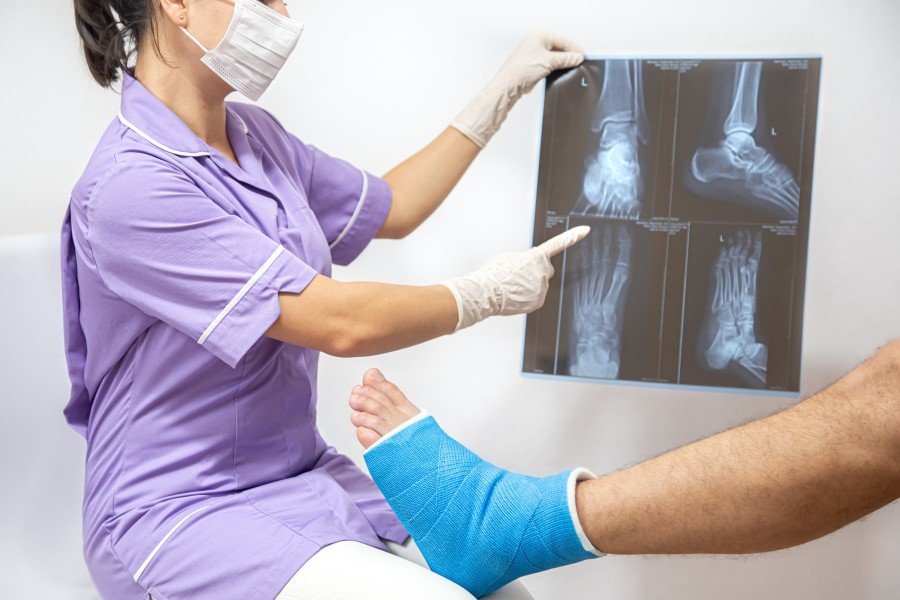
Depending on the symptoms, imaging may be recommended. An X-ray can help identify fractures, dislocations, and certain bone or joint changes. In selected cases, an MRI or other imaging test may provide more information about ligaments, tendons, cartilage, muscles, or other soft tissues.
Not every injury requires advanced imaging. The appropriate test depends on the clinical assessment and suspected condition.
Non-Surgical Treatment for Joint and Muscle Injuries
Many orthopedic injuries can be managed without surgery, particularly when the injury is mild or moderate and there is no major structural damage requiring an operation.
Treatment may include:
- Rest or temporary reduction of activities that worsen symptoms
- Ice or other measures recommended for acute injuries
- Medicines for pain or inflammation when medically appropriate
- Physiotherapy and guided exercises
- Stretching and strengthening programs
- Bracing or support devices for selected injuries
- Gradual return to normal activities
Physiotherapy can be particularly useful for restoring strength, flexibility, balance, and joint function. A structured rehabilitation plan may also help reduce the risk of reinjury.
However, patients should not begin aggressive exercises immediately after a significant injury without appropriate evaluation.
When Is Orthopedic Surgery Considered?
Surgery is not automatically required for every orthopedic injury. An orthopedic surgeon considers several factors, including the type of injury, severity, instability, functional limitations, imaging findings, age, activity level, and response to conservative treatment.
Surgical treatment may be considered in situations such as certain fractures, significant ligament injuries, major tendon damage, joint instability, or injuries that continue to cause substantial functional problems despite appropriate non-surgical care.
The exact procedure depends on the affected joint or tissue. For example, some sports injuries may require arthroscopic treatment, while certain fractures may need surgical fixation.
The benefits, risks, expected recovery, and alternatives should be discussed before deciding on an operation.
Recovery and Rehabilitation After an Injury
Treatment does not end when pain starts improving. Rehabilitation plays an important role in helping the affected area regain strength and function.
A recovery plan may include:
- Controlling pain and swelling during the early stage.
- Gradually restoring joint movement.
- Improving muscle strength and flexibility.
- Working on balance and coordination where needed.
- Returning to work, exercise, or sports gradually.
Recovery time varies considerably. A minor muscle strain may improve within a relatively short period, whereas a fracture or major ligament injury can require a much longer rehabilitation period.
Following the recommended activity restrictions is important. Returning to strenuous exercise too quickly may increase the risk of further injury.
When Should You See an Orthopedic Specialist?
Persistent or severe symptoms deserve professional assessment. Consider consulting an orthopedic specialist if you experience:
- Significant or worsening pain after an injury
- Inability to bear weight or use the affected limb normally
- Persistent swelling or restricted movement
- Joint instability or repeated episodes of giving way
- A visible deformity after trauma
- Pain that does not improve with appropriate home care
- Recurrent sports or activity-related injuries
Urgent medical evaluation may be necessary after serious trauma, particularly when there is a suspected fracture, major deformity, loss of sensation, or compromised circulation.
Choosing the Right Orthopedic Care in Noida Phase-2
When looking for orthopedic treatment, consider the doctor’s experience with your specific condition rather than choosing solely on the basis of general reviews or convenience.
It can be helpful to ask about:
- The suspected diagnosis and available treatment options
- Whether non-surgical treatment is appropriate
- The purpose of any recommended imaging
- Expected rehabilitation requirements
- Possible risks and complications of a procedure
- When you can safely return to normal activities
A good consultation should give you a clear understanding of the condition and the reasoning behind the proposed treatment.
Frequently Asked Questions
When should I visit an orthopedic doctor for muscle pain?
You should consider an orthopedic consultation when muscle pain is severe, persistent, recurrent, or associated with weakness, swelling, restricted movement, or an injury. A specialist can determine whether the problem involves a muscle, tendon, ligament, joint, or another structure and recommend appropriate treatment.
Can joint injuries be treated without surgery?
Yes, many joint injuries can be managed without surgery. Depending on the diagnosis, treatment may include activity modification, medicines, physiotherapy, bracing, and rehabilitation. However, some injuries involving significant structural damage or instability may require surgery. The appropriate approach should be decided after clinical assessment.
What tests are used to diagnose orthopedic injuries?
The required tests depend on the suspected injury. X-rays are commonly used to evaluate bones and certain joint problems, while MRI can provide detailed information about soft tissues such as ligaments, tendons, muscles, and cartilage. Not every patient needs imaging, so the choice should follow a clinical evaluation.
How long does it take to recover from a joint or muscle injury?
Recovery time varies according to the type and severity of the injury, the person’s overall health, and the treatment provided. Minor injuries may improve relatively quickly, while fractures, major ligament injuries, and surgical procedures can require several weeks or months of rehabilitation.
How do I choose an orthopedic surgeon in Noida Phase-2?
Look for an orthopedic specialist with appropriate qualifications and experience relevant to your condition. During the consultation, ask about the diagnosis, treatment alternatives, expected recovery, rehabilitation, and potential risks. A clear explanation of both surgical and non-surgical options can help you make an informed decision.
Conclusion
Joint and muscle injuries can range from temporary strains to conditions requiring specialized orthopedic treatment. Early assessment can help identify the source of pain and determine whether conservative care, rehabilitation, or a procedure is appropriate. If symptoms persist, worsen, or interfere with normal movement, professional evaluation should not be delayed. An Orthopedic Surgeon in Noida Phase-2 can assess the injury, explain available treatment options, and develop a recovery plan suited to the individual’s condition and goals. If you are experiencing ongoing joint, muscle, ligament, or bone-related problems, consider scheduling an orthopedic consultation at Gurukripa Orthopaedic Super-Speciality Centre to understand the cause and next steps.