Joint pain does not always mean that joint replacement is the next step. In some people, especially those with early or localized joint damage, Joint Preservation Surgery in Sector 108 Noida may be considered to address the underlying problem while maintaining as much of the natural joint as possible. Recognizing persistent symptoms early can help you seek an appropriate orthopaedic evaluation.
For fast information, direct chat with us on WhatsApp.
Joint Preservation Surgery in Sector 108 Noida may be considered when a joint has localized damage, instability, cartilage problems, or abnormal alignment and preserving the natural joint is clinically appropriate. Persistent pain, swelling, reduced movement, locking, or instability can warrant an orthopaedic assessment. Treatment depends on the cause and may include non-surgical care or surgery.
What Is Joint Preservation Surgery?
Joint preservation refers to treatments designed to protect or restore a damaged joint and delay or avoid more extensive procedures when clinically appropriate. Depending on the joint and underlying condition, treatment may involve cartilage restoration, realignment procedures, ligament reconstruction, or other techniques.
The goal is not simply to relieve pain. An orthopaedic specialist first determines what is causing the joint problem and whether preserving the natural joint is a reasonable option.
Early Signs That Should Not Be Ignored
Not every episode of joint pain indicates a need for surgery. However, certain persistent or worsening symptoms deserve medical assessment.
1. Persistent Joint Pain
Occasional discomfort after strenuous activity may improve with rest. Pain that continues for weeks, repeatedly returns, or begins interfering with normal activities should be evaluated.
Persistent pain may result from cartilage damage, ligament injury, abnormal joint alignment, early arthritis, or other conditions. Identifying the cause is essential before deciding on treatment.
2. Swelling or Recurrent Joint Effusion
Repeated swelling around a knee, ankle, hip, or other joint can indicate inflammation or an underlying structural problem. If swelling keeps returning after activity or occurs without an obvious injury, an orthopaedic consultation can help identify the cause.
3. Reduced Range of Motion
Difficulty bending, straightening, rotating, or moving a joint normally can be an important warning sign. A gradual loss of movement may occur because of cartilage damage, inflammation, stiffness, or changes within the joint.
When movement becomes noticeably restricted, delaying evaluation may make everyday activities more difficult.
4. Clicking, Catching or Locking
Some painless joint sounds are harmless. However, clicking accompanied by pain, catching, instability, or locking deserves attention.
A joint that repeatedly catches or locks may have an internal structural problem. Depending on the diagnosis, preserving the joint may be considered before more advanced degeneration develops.
5. Joint Instability
Do you feel that your knee, ankle, or another joint may give way while walking, climbing stairs, exercising, or changing direction?
Repeated instability can place additional stress on joint structures. Ligament injuries, muscle weakness, alignment problems, and other conditions may contribute. Early assessment can help determine whether rehabilitation or a joint-preserving procedure is appropriate.
Who May Be Considered for Joint Preservation Treatment?
There is no single age or symptom that determines whether someone needs joint preservation surgery. Suitability depends on factors such as:
- The specific joint affected
- Type and extent of structural damage
- Cartilage condition
- Alignment of the joint
- Ligament stability
- Activity requirements
- Overall health
- Response to non-surgical treatment
- Degree of existing arthritis
Younger or physically active patients may sometimes be considered for preservation procedures when damage is limited, but age alone does not determine treatment.
Joint Preservation Surgery in Sector 108 Noida: How Is the Need Evaluated?
An orthopaedic specialist generally begins with a detailed history and physical examination. You may be asked when the symptoms started, what activities aggravate them, whether there was an injury, and how the problem affects daily life.
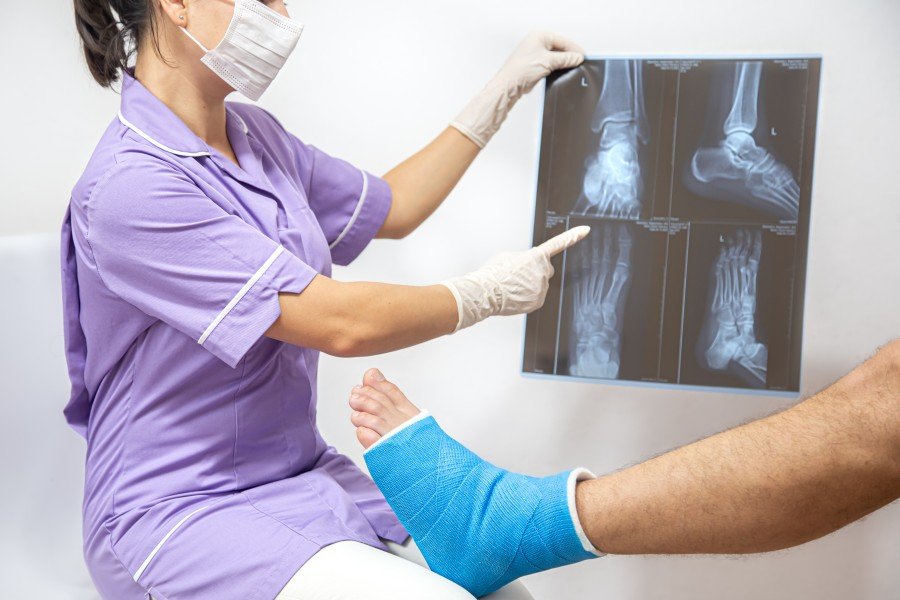
Depending on the suspected condition, investigations may include X-rays or advanced imaging such as MRI. These tests can help assess bone alignment, cartilage, ligaments, and other structures.
The treatment decision should be based on the diagnosis rather than on symptoms alone.
Can Non-Surgical Treatment Be Tried First?
Yes. Surgery is not automatically the first treatment for joint pain.
Depending on the condition, an orthopaedic specialist may recommend:
- Activity modification
- Physiotherapy and targeted exercises
- Strengthening of supporting muscles
- Weight management when appropriate
- Medicines for pain or inflammation when medically suitable
- Bracing or other supportive measures
- Other condition-specific treatments
If symptoms continue despite appropriate conservative treatment, surgical options may then be discussed.
Common Joint Preservation Approaches
The procedure depends entirely on the underlying problem. Some patients may be candidates for cartilage restoration or repair, while others may require procedures that correct abnormal alignment or address ligament damage.
For example, selected patients with certain knee problems may undergo procedures designed to redistribute load across the joint. Others may require treatment for a localized cartilage or meniscal injury.
Therefore, Joint Preservation Surgery in Sector 108 Noida should not be viewed as one specific operation. It is a broader treatment approach that includes different procedures for different joint conditions.
Why Early Orthopaedic Evaluation Matters
Ignoring recurring joint symptoms does not necessarily mean the condition will become severe, but persistent symptoms should not be dismissed.
An early consultation can help establish what is actually causing the problem. It may also provide an opportunity to discuss rehabilitation, activity modification, or appropriate joint-preserving treatment before symptoms significantly affect mobility and quality of life.
Importantly, not everyone with joint pain requires surgery. A proper diagnosis is the starting point for making that decision.
When Should You See an Orthopaedic Specialist?
Consider arranging an evaluation if you experience:
- Persistent or worsening joint pain
- Repeated swelling
- Difficulty performing everyday movements
- Recurrent instability or giving-way sensations
- Pain that limits exercise or work
- Locking or catching of a joint
- Symptoms that continue despite reasonable non-surgical care
- Ongoing problems after a previous joint injury
Sudden severe pain, major swelling after an injury, an obvious deformity, or an inability to bear weight may require prompt medical attention.
Frequently Asked Questions
1. What are the first signs of joint damage?
Persistent pain, recurrent swelling, stiffness, reduced range of motion, instability, and painful clicking or locking can indicate an underlying joint problem. These symptoms do not automatically mean surgery is required. An orthopaedic examination can help determine whether the issue involves cartilage, ligaments, alignment, inflammation, or another structure.
2. Is joint preservation surgery an alternative to joint replacement?
Joint preservation procedures aim to protect or restore the natural joint and may be considered in selected patients before advanced joint degeneration occurs. However, they are not suitable for everyone. The appropriate treatment depends on the extent of damage, joint condition, symptoms, age, activity level, and other individual factors.
3. Can physiotherapy help avoid joint surgery?
Physiotherapy can be an important part of treatment for many joint conditions and may improve strength, mobility, stability, and function. However, its ability to prevent surgery depends on the underlying problem. Structural injuries or advanced damage may require additional treatment, so persistent symptoms should be assessed by an orthopaedic specialist.
4. How is joint preservation surgery evaluated in Sector 108 Noida?
Evaluation usually involves a medical history and physical examination, followed by imaging when needed. X-rays can assess bone structure and alignment, while MRI may provide information about cartilage, ligaments, and other soft tissues. The specialist uses these findings, along with symptoms and functional limitations, to discuss appropriate treatment options.
5. Where can I seek an assessment for joint preservation treatment in Noida?
Patients in Sector 108 and nearby areas can consult an orthopaedic specialist for persistent joint symptoms or suspected structural damage. During the consultation, discuss your symptoms, previous injuries, treatments already tried, and activity limitations. The specialist can determine whether conservative care, joint preservation, or another treatment approach is appropriate.
Conclusion
Persistent joint pain, swelling, stiffness, instability, or restricted movement can affect everyday activities and may sometimes indicate an underlying structural problem. However, these symptoms do not automatically mean that surgery is necessary. A timely orthopaedic assessment can help identify the cause and determine whether rehabilitation, medication, activity modification, or a joint-preserving procedure is appropriate. Joint Preservation Surgery in Sector 108 Noida may be considered for selected patients when protecting the natural joint is clinically feasible. If your symptoms continue or interfere with normal movement, consider discussing them with Gurukripa Orthopaedic Super-Speciality Centre to understand your diagnosis and available treatment options.