A fracture can happen suddenly due to a fall, sports injury, road accident, or a direct blow to the body. Although some fractures are straightforward to treat, others may require reduction, surgery, immobilisation, and structured rehabilitation. Choosing an Orthopaedic Centre in Sector 108 Noida can help patients access appropriate assessment and follow-up care under orthopaedic supervision. The right treatment depends on the bone involved, fracture pattern, displacement, soft-tissue damage, age, activity level, and overall health. Early medical assessment is important because delaying appropriate care may affect healing and function.
For fast information, direct chat with us on WhatsApp.
Fracture treatment usually begins with an orthopaedic assessment and imaging to determine the location and severity of the injury. Depending on the fracture, treatment may involve a cast, splint, reduction, or surgery. Rehabilitation then focuses on restoring movement, strength, balance, and safe return to everyday activities.
What Happens After a Fracture?
A fracture occurs when a bone partially or completely breaks. Symptoms can include pain, swelling, bruising, tenderness, difficulty moving the affected area, or an unusual appearance of the limb.
Not every fracture looks obvious. Some injuries may cause significant pain without visible deformity. Therefore, suspected fractures should be evaluated by a qualified healthcare professional rather than treated at home based only on symptoms.
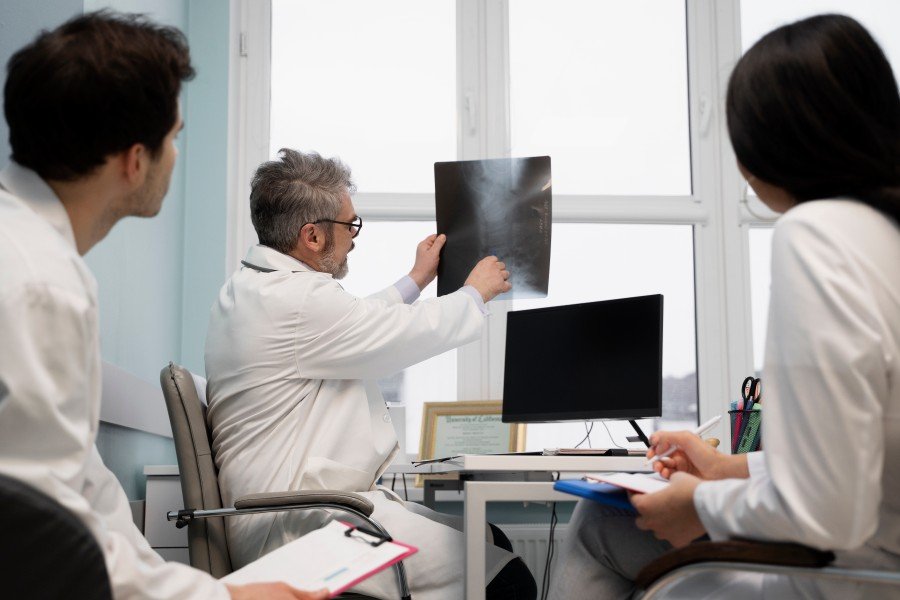
An orthopaedic evaluation generally includes a physical examination and, when appropriate, imaging such as an X-ray. More complex injuries may require additional imaging to understand the fracture and surrounding structures.
Fracture Treatment at an Orthopaedic Centre in Sector 108 Noida
Treatment is selected according to the individual injury rather than using the same approach for every patient.
Non-Surgical Fracture Treatment
Stable fractures that are well aligned may sometimes be managed without surgery. Depending on the injury, an orthopaedic specialist may recommend:
- A cast or splint to restrict movement
- Bracing for selected injuries
- Temporary activity restrictions
- Pain management as advised by the treating clinician
- Follow-up imaging to monitor healing
The immobilisation period varies by fracture and patient. Patients should follow the prescribed instructions instead of removing a cast or increasing activity simply because pain has improved.
Reduction and Surgical Treatment
Some fractures are displaced, unstable, open, or associated with significant joint involvement. In such cases, the bone may need to be repositioned, a process known as reduction.
When surgery is appropriate, techniques may include internal fixation using plates, screws, rods, or other fixation devices. The choice depends on the bone, fracture configuration, soft-tissue condition, and the patient’s individual circumstances.
An orthopaedic specialist can explain the expected benefits, possible risks, alternatives, and recovery requirements before a planned procedure.
Why Rehabilitation Matters After a Fracture
Fracture care does not necessarily end when the cast comes off or surgery is completed. Muscles can become weaker during immobilisation, while joints may become stiff because of reduced movement.
Rehabilitation helps address these problems in a controlled way. Depending on the injury, a physiotherapist or orthopaedic team may work on:
- Joint mobility and flexibility
- Muscle strength
- Balance and coordination
- Walking or movement patterns
- Gradual return to daily activities
- Sport- or work-specific functional movements
The rehabilitation plan should match the stage of bone healing. Exercising too aggressively too soon can place unnecessary stress on healing tissues, while prolonged inactivity may contribute to stiffness and weakness.
How Long Does Fracture Recovery Take?
There is no single recovery timeline for every fracture. Healing can be influenced by the type and location of the fracture, age, general health, smoking status, nutrition, blood supply, and whether complications occur.
A patient may feel better before the bone has fully regained strength. For this reason, returning to heavy lifting, running, contact sports, or physically demanding work should be based on medical advice rather than pain alone.
Regular follow-up appointments can help the orthopaedic team assess healing and modify activity or rehabilitation recommendations when necessary.
Signs That Require Prompt Medical Attention
A suspected fracture deserves medical assessment, particularly after significant trauma. Urgent evaluation is especially important when there is:
- Severe or worsening pain
- Obvious deformity
- Significant swelling
- An open wound near the suspected fracture
- Numbness or loss of sensation
- Pale, blue, or unusually cold fingers or toes
- Inability to use the affected limb normally
An open fracture, major deformity, or signs suggesting impaired circulation or nerve function require prompt medical attention.
Until medical care is available, avoid unnecessarily moving the injured area. If possible, keep it supported in a comfortable position and follow emergency-care instructions.
Choosing an Orthopaedic Centre for Fracture Care in Noida
When looking for fracture treatment in Noida, consider more than location alone. A suitable centre should provide access to appropriate orthopaedic assessment and a clear follow-up pathway.
Patients may want to ask about:
- Availability of orthopaedic consultation
- Diagnostic imaging and assessment facilities
- Experience with the type of fracture involved
- Surgical and non-surgical treatment options
- Post-treatment follow-up
- Physiotherapy or rehabilitation support
- Emergency referral arrangements when required
For residents of Sector 108 and surrounding areas, proximity can also make follow-up visits and rehabilitation appointments easier, particularly when mobility is temporarily limited.
Supporting Bone Healing During Recovery
Following medical instructions is central to fracture recovery. Patients should take prescribed medicines as directed and attend recommended follow-up appointments.
Adequate nutrition also supports normal bone health. A balanced diet containing sufficient protein and key nutrients such as calcium and vitamin D can be part of an overall recovery plan. People with dietary restrictions or nutritional concerns should discuss them with their healthcare professional.
Smoking can interfere with bone healing, so patients who smoke may benefit from discussing cessation support with their doctor.
Most importantly, do not compare your recovery with someone else’s. Two people with fractures in the same bone can have very different treatment plans and healing timelines.
Frequently Asked Questions
What is the first treatment for a suspected fracture?
The first step is a medical assessment to determine whether a fracture is present and whether the injury is stable. An X-ray is commonly used, although additional imaging may sometimes be needed. Treatment can then involve immobilisation, reduction, surgery, or another approach depending on the fracture.
When should I visit an orthopaedic specialist after an injury?
You should seek prompt medical assessment when an injury causes severe pain, swelling, deformity, difficulty using the limb, or other symptoms that suggest a fracture. Immediate medical attention is particularly important for an open injury, major deformity, numbness, or changes in the colour or temperature of the affected limb.
How does physiotherapy help after a fracture?
Physiotherapy can help restore movement, strength, balance, and function after the treating clinician considers the fracture sufficiently healed for rehabilitation. Exercises are progressed gradually according to the injury and recovery stage. The programme may include mobility work, strengthening, gait training, and functional exercises.
Can every fracture be treated without surgery?
No. Some stable fractures can be managed with a cast, splint, or brace, while displaced, unstable, open, or certain joint-related fractures may require surgical treatment. The appropriate approach depends on the fracture pattern, location, alignment, soft-tissue condition, and individual patient factors.
How do I choose an orthopaedic centre in Noida for fracture treatment?
Look for a centre where patients can receive appropriate orthopaedic evaluation, diagnostic assessment, treatment planning, and follow-up care. It is also useful to consider rehabilitation support and accessibility for repeated appointments. The specific expertise required will depend on the type and location of the fracture.
Conclusion
A fracture requires more than simply waiting for pain to settle. Proper assessment helps determine whether the injury needs immobilisation, reduction, surgery, or another form of care, while rehabilitation supports the gradual return of movement and strength. Follow-up is equally important because bone healing and functional recovery do not always progress at the same pace. If you are looking for an Orthopaedic Centre in Sector 108 Noida, consider the availability of orthopaedic evaluation, diagnostic support, treatment options, and rehabilitation planning. For a suspected fracture or persistent symptoms after an injury, arrange an appropriate medical assessment rather than relying on self-treatment. Dr. Pushkar Chawla can guide you through the safest recovery plan for your specific injury.